
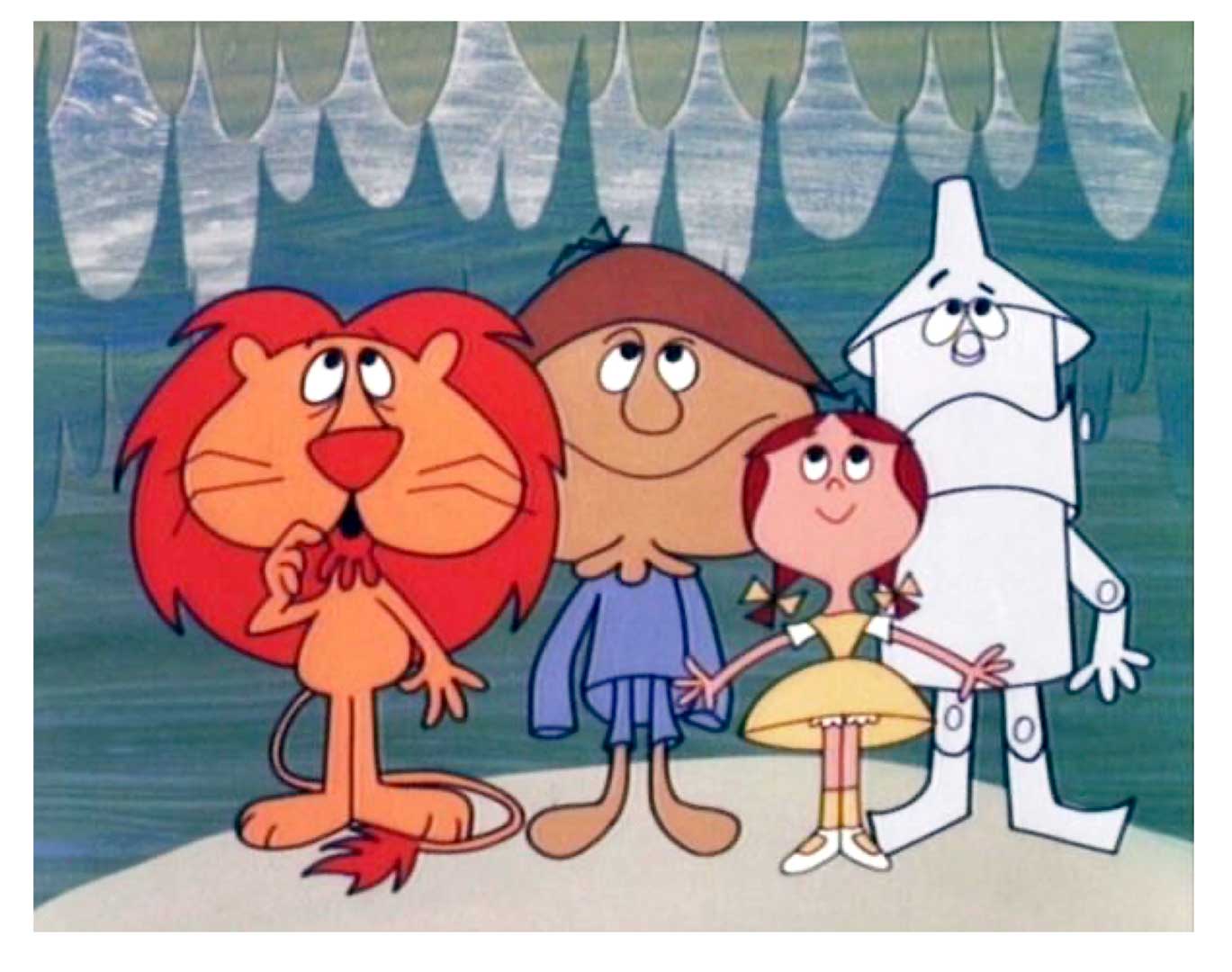

(Above featured image: Credit Crawley Films/Videocraft, courtesy James Forrester)
Canadian filmmakers were very successful this year during the 98th Academy Awards held on March 15th , 2026, at the Dolby Theatre (formerly the Kodak Theatre) on Hollywood Boulevard in Los Angeles. Sheridan College animation alumni Maggie Kang won the Best Animated Feature Oscar for K-pop Demon Hunters, which was funded by Netflix. The film’s hit single “Golden” — became the first K-pop tune to win Best Original Song. In addition, the NFB’s Chris Lavis and Maciek Szczerbowsk won the Best Animated Short film for The Girl Who Cried Pearls.
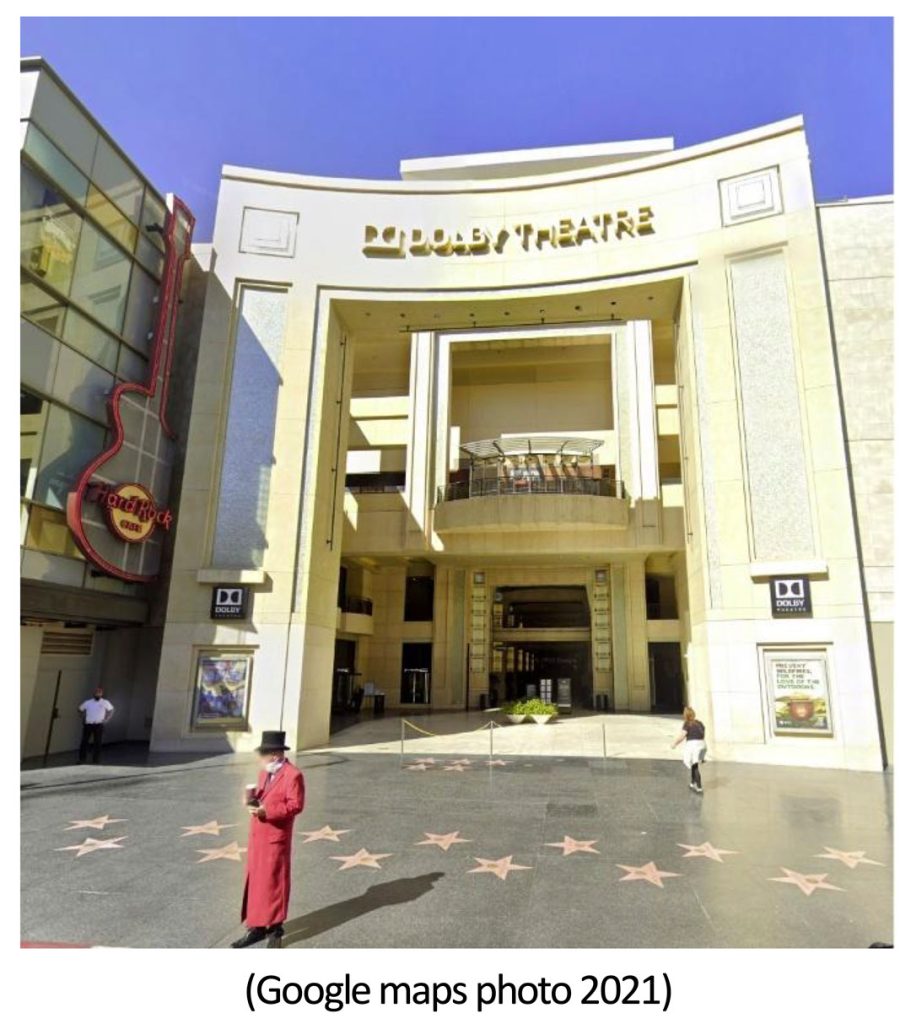
While not a Canadian citizen, Mexican director Guillermo del Toro has been a frequent GTA resident and shot some of his feature films with Canadian crews while using local production houses. Notably The Shape of Water (nominated for 13 Academy Awards) while set in Baltimore, Maryland was shot in Toronto and Hamilton in 2016.
This year his epic and visually stunning Frankenstein received twelve Oscar nominations and won 3 including Best Production Design, Best Costume Design and Best Makeup and Hairstyling (all Canadian craftspeople).
Canadian Press reported: “the moment turned into an impromptu Canadian filmmaking shindig. ‘Backstage it’s us, it’s Maggie Kang and the whole team from ‘Frankenstein’ — a murderers’ row of Canadians all hanging out and hugging and taking photos together and celebrating this moment in Canadian movies. The fact that we accepted the award from Canadian Will Arnett makes me feel like we’re taking over back here,’” added NFB animator Chris Lavis.
PM Mark Carney posted on Linkedin: “Congratulations to all our Canadian Oscar winners and nominees tonight. From K-Pop Demon Hunters to The Girl Who Cried Pearls, to Frankenstein, and more — the masterpieces we celebrate tonight are a testament to the fact that Canada is a nation of diverse and talented storytellers.”
This year also happens to be the fiftieth anniversary of Canada’s first Oscar in the Best Feature Length Documentary category. The Producer F. R. “Budge” Crawley accepted the award on March 29th , 1976, for The Man Who Skied Down Everest. Documentary filmmaker Howard Alk, who edited Janis, wrote his acceptance speech: “This is an American award for a Canadian film about a Japanese adventurer who skied down a Nepalese mountain which happened to be called Everest, and in the words of the late, great P. T. Barnum ‘The whole story is incredible, but true.’ Thank you all very much.”
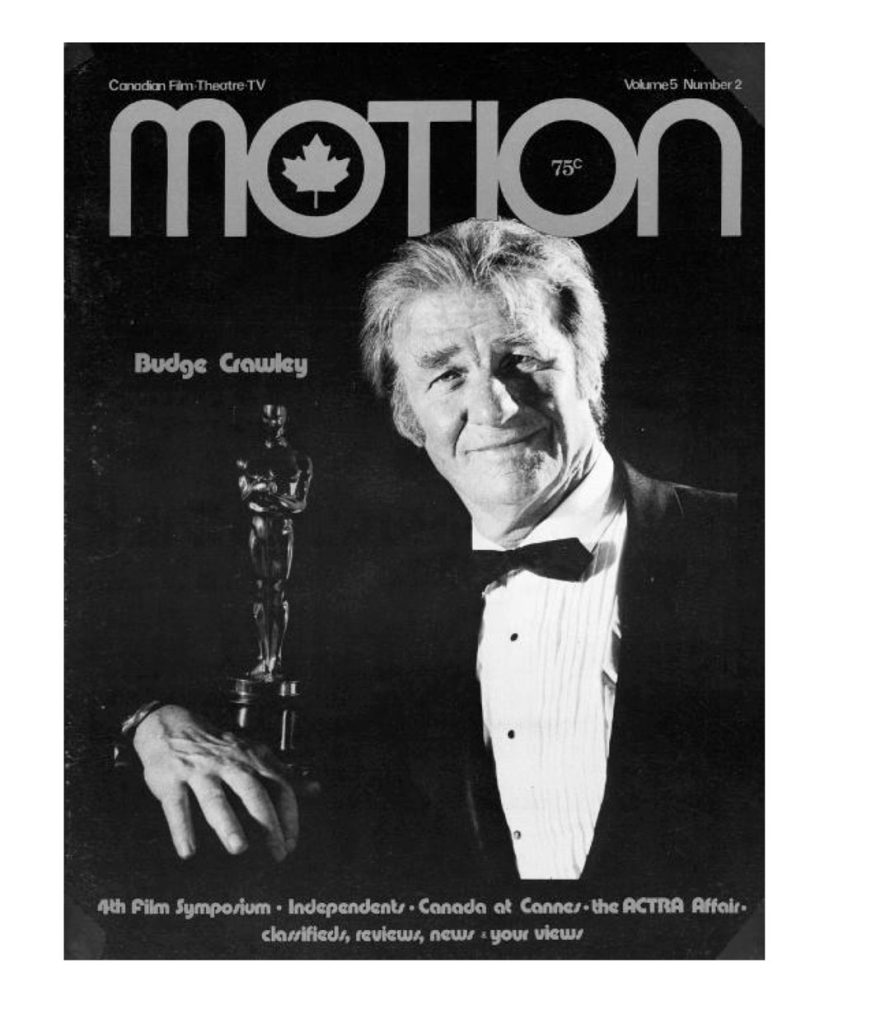
(The milestone was acknowledged in the pages of Hansard in 1976 and again in 2001 on the twenty-fifth anniversary by Peterborough MP & Trent professor Peter Adams. Trent also gave Crawley his first honorary degree in 1979).
Peter Morris in his Film Companion suggested that Budge Crawley was “considered the godfather of Canadian film and Canada’s answer to Sam Goldwyn.” Crawley College was the nickname for the company in the industry, and it did provide training for a generation of filmmakers. Late 1950s successful endeavours into television production encouraged Crawley to try producing animation. Crawley Films made use of animation in many of their early productions. However, a contract to make 130 five-minute animation cartoons titled Tales of the Wizard of Oz series for Videocraft of New York in 1961, required a substantial increase in specialized staff. The cartoons became a staple of Saturday mornings for years to come. The following year, a 51-minute final special Return to Oz was completed. It aired on February 9, 1964, on the G.E. Fantasy Hour.
At that time, the Crawleys had forty animators working full time including Bill Mason, Barrie Nelson, and Norman Drew. It was only the second animated feature ever made in Canada.
In the fifties, sixties and seventies, Canadian television was synonymous with the CBC and to a minor degree the NFB. Crawley Films received film awards and made hundreds of films; however, most Canadians have never heard of Crawley Films. You must ask yourself why? It may have something to do with our classic Canadian self-deprecation. Frank Radford “Budge” Crawley was born in Canada, established the company here and refused to go to London, New York, or Los Angeles to work.
While it is true that he received an Oscar, he paid the price for having the chutzpah to sue a major American studio (Universal) for its dumping of the rockumentary Janis onto television rather than the more expensive route of theatrical exhibition. During the Capital Cost Allowance era, he criticized government policy that led to so many bombs, thereby antagonizing the film “packagers” who did not like anyone rocking their boat. Crawley became the black sheep of the Canadian film industry.
May 29th, 1984, Public Archives of Canada had an induction ceremony for the Crawley Films collection and a celebration of the company’s success. Former employee Bill Stevens purchased the company and negotiated for the films to be deposited in the Archives.
In May last year, I participated in a panel discussion at a Queen’s University Film Studies conference. I’m pleased that young academics have rediscovered Crawley Films as a foundational training centre in the history of Canadian film, television and multimedia. I can also recommend Dale Gervais’ excellent Canadianfilm.ca website which posts essays and reports on the country’s cinematic history.
Special thanks to James, and credit to Arthur Newspaper – view more articles by James A. Forrester on ARTHUR.
© By J. A. Forrester (31 March 2026)

I want to thank James once again for allowing this website to feature his latest article. I also want to send a shout out to Arthur Newspaper: Established in 1966, Arthur Newspaper is Trent University and Peterborough-Nogojiwanong’s independent student press. James has several articles on Arthur, and I highly recommend checking them out here; https://www.trentarthur.ca/author/j-a-forrester
Where are the 13 Oscar’s won by NFB animation & doc makers!l? Shockingly absent lol
Hi Jack, James focused his article on the private side of production, but you are correct, NFB is a huge contributor to Canadian animation. I would welcome a post on the NFB Animation Dept., if you are so inclined? Dale